
What brings patients in
- Pain when standing or walking
- Stiffness and a reduced range of motion
- Swelling or changes in ankle alignment
These symptoms are general examples, not a diagnosis.
Understanding the problem
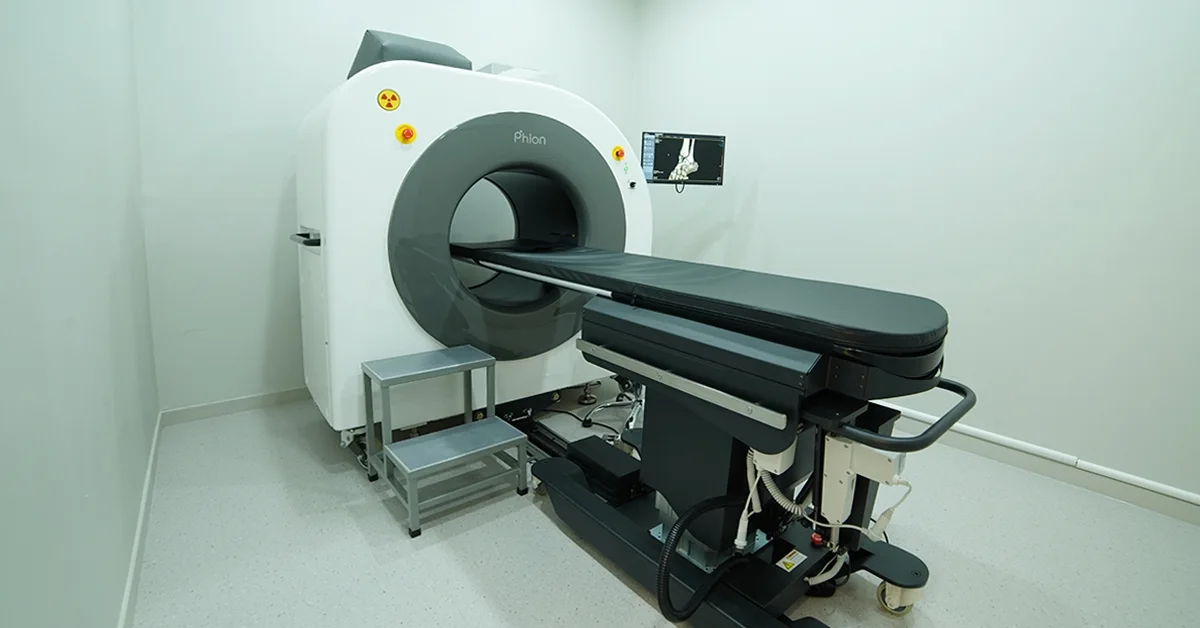
The hospital describes examination and weight-bearing X-rays, with CT or MRI considered for additional detail when needed.
Discussing your options
Nonsurgical options include medication, physiotherapy, functional insoles and braces. Surgically, the clinic selects by stage and deformity: supramalleolar osteotomy (SMO) to shift load away from the worn inner joint, combined with stem-cell cartilage regeneration when needed; ankle fusion when the joint space is lost and alignment is poor; or total ankle replacement for end-stage arthritis to reduce pain while preserving movement.
Planning your recovery
After surgery, the plan may involve a brace, gradual weight-bearing, rehabilitation and repeat reviews. The expected benefits and limitations differ between procedures.
Questions patients ask
Are ankle fusion and replacement the same?
No. Fusion and replacement are different procedures with different movement and follow-up implications. Ask the clinician which options fit your joint condition and activity needs.